Narrowboat Pitting: The Ultimate Guide for Boat Owners
If you've just received a narrowboat survey report and noticed the word "pitting" mentioned, you might be wondering what it actually means for your boat. Don't worry: you're in the right place.
Pitting is one of the most common findings we come across during a narrowboat hull survey. It's not always a cause for alarm, but it is something every boat owner should understand. This guide will walk you through exactly what pitting is, why it happens, how we measure it, and what your options are if it needs attention.
What Is Pitting, Exactly?
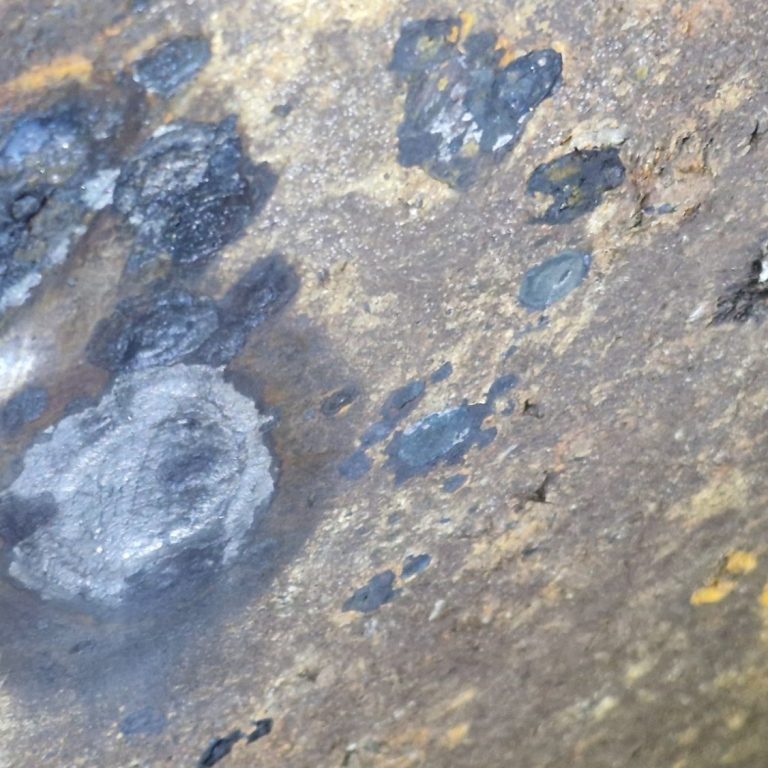
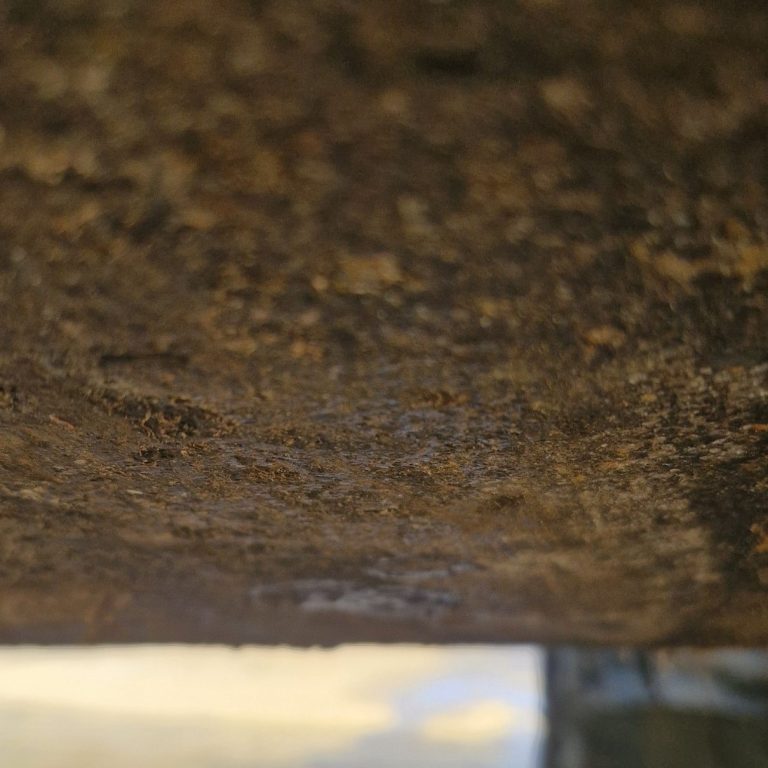
Pitting is a type of localised corrosion that creates small holes or "pits" in the steel hull of your narrowboat. Unlike general surface rust, which spreads across the metal fairly evenly, pitting attacks specific points and burrows deeper into the steel.
Think of it like this: surface rust is a bit like a sunburn across your whole arm. Pitting is more like a series of small, deep splinters. It's concentrated, and that's what makes it potentially more serious.
The pits themselves can vary in size and depth. Some are barely visible to the naked eye. Others can be several millimetres deep and clustered together. The key concern is always how deep the pitting goes relative to the original thickness of your hull plate.
What Causes Pitting on a Narrowboat Hull?
Pitting doesn't just happen randomly. There are several common culprits, and understanding them can help you take steps to prevent future damage.
Oxygen Corrosion
When oxygen in the water reacts with the steel hull, it can create localised corrosion cells. These cells attack specific points on the metal surface, gradually forming pits. This is the most common type of pitting we see.
Microbial Corrosion
This one sounds a bit sci-fi, but it's real. Certain bacteria that live in water (particularly in stagnant or polluted areas) can actually accelerate corrosion. They create acidic by-products that eat into the steel. Boats moored in muddy, still water are more prone to this type of attack.
Galvanic Corrosion
Your steel hull essentially acts like a giant battery when it's sitting in water. Stray electrical currents: from your own boat's systems or nearby vessels: can cause a chemical reaction on the steel surface. This is why anodes are so important. They're designed to corrode instead of your hull.
If your anodes are depleted or missing entirely, your hull becomes the sacrificial metal. Not ideal.
Poor or Failing Blacking
Hull blacking is your boat's first line of defence. When the protective coating breaks down, water gets direct access to the bare steel. That's when corrosion: and pitting: can really take hold.
How We Measure Pitting During a Narrowboat Survey
When we carry out a narrowboat hull survey, we don't just eyeball the pitting and guess. We use an ultrasonic thickness gauge called the Tritex 5750 to get precise measurements of your hull steel.
This clever bit of kit sends sound waves through the metal and measures how long they take to bounce back. The result is an accurate reading of the remaining steel thickness at each test point.
Note that while the Tritex 5750 measures overall steel thickness, pit depths are measured using a Mitutoyo depth gauge. This gauge features a resolution of 0.01mm and an accuracy of ±0.01mm. Measurements reported are rounded to the nearest tenth of a millimetre, and the gauge is zeroed before every survey to ensure absolute precision.
We typically take readings across the entire hull: bow, stern, sides, baseplate, and around the waterline. This gives us a complete picture of where the steel is healthy and where it's been compromised by corrosion or pitting.
The beauty of ultrasonic testing is that it's non-destructive. We don't need to drill holes or remove any material to find out what's going on beneath the surface.
When Does Pitting Become a Serious Concern?
Here's the question everyone wants answered: "Is my pitting bad?"
The honest answer is: it depends. Pitting depth on its own doesn't tell the whole story. What really matters is how much steel you've got left.
The Magic Number: Remaining Thickness
Most narrowboats are built with hull plates between 6mm and 10mm thick (baseplates are often 10mm). Over time, corrosion and pitting reduce that thickness.
As a general rule:
- Above 5mm remaining: Usually considered acceptable for continued use with monitoring.
- 4mm to 5mm: Getting into the "keep a close eye on it" territory.
- Below 4mm: This is where we start recommending remedial action.
- Below 3mm: Serious concern. Repair or replacement is typically necessary.
These figures aren't set in stone. Context matters. A 4mm reading in a small, isolated spot is very different from 4mm across half the baseplate.
Pit Density Matters Too
A single deep pit surrounded by healthy steel is less concerning than dozens of shallow pits clustered together. When pitting is widespread, it can weaken a larger area of the hull even if individual pits aren't that deep.
Repair Options: Welding vs Filling
If your survey reveals pitting that needs attention, you've got a few options. Let's break them down.
Pit Welding
This is the gold standard for repairing pitting. A skilled welder cleans out each pit and fills it with fresh weld material. When done properly, this restores the structural integrity of the steel.
Pit welding is particularly effective when the surrounding metal is still in good condition. It addresses the problem directly rather than covering it up.
Grit Blasting and Recoating
For boats with widespread but relatively shallow pitting, grit blasting can be a game-changer. It strips everything back to bare metal, exposing every pit and defect. From there, the hull can be treated with a high-quality epoxy coating.
This approach won't restore lost steel, but it arrests further deterioration and can protect the hull for 10 to 15 years if done well.
What About Overplating?
Overplating: welding new sheets of steel over the existing hull: is sometimes used when large areas are too far gone to repair. However, it's not without controversy.
The problem is that the original corroded steel remains underneath. If it continues to deteriorate, you've essentially hidden the issue rather than fixing it. We generally recommend overplating only as a last resort, and it should always be done by someone who knows what they're doing.
Fillers: A Word of Caution
You might be tempted to fill pits with epoxy filler or similar products. While this can work for very minor surface imperfections, it's not a structural repair. Filler won't restore strength to the steel and can mask ongoing corrosion.
For anything beyond cosmetic touch-ups, welding is the way to go.
Preventing Pitting in the First Place
Prevention is always cheaper than repair. Here's what you can do to keep pitting at bay:
- Regular blacking: Every two to three years is the standard recommendation. Don't skip it.
- Check your anodes: These should be inspected annually and replaced when they're around 50% depleted.
- Keep the bilge dry: Standing water inside the hull accelerates internal corrosion.
- Moor wisely: Deep, clean, moving water is kinder to your hull than shallow, stagnant canals.
What to Do Next
If you've received a survey report mentioning pitting, take a breath. It doesn't automatically mean your boat is in trouble. The key is understanding the severity and planning accordingly.
We're always happy to talk through the findings and explain what they mean in plain English. If you need a narrowboat hull survey or want a second opinion on existing pitting, feel free to get in touch.
Your boat looked after you on the water. Let's make sure you're looking after it too.
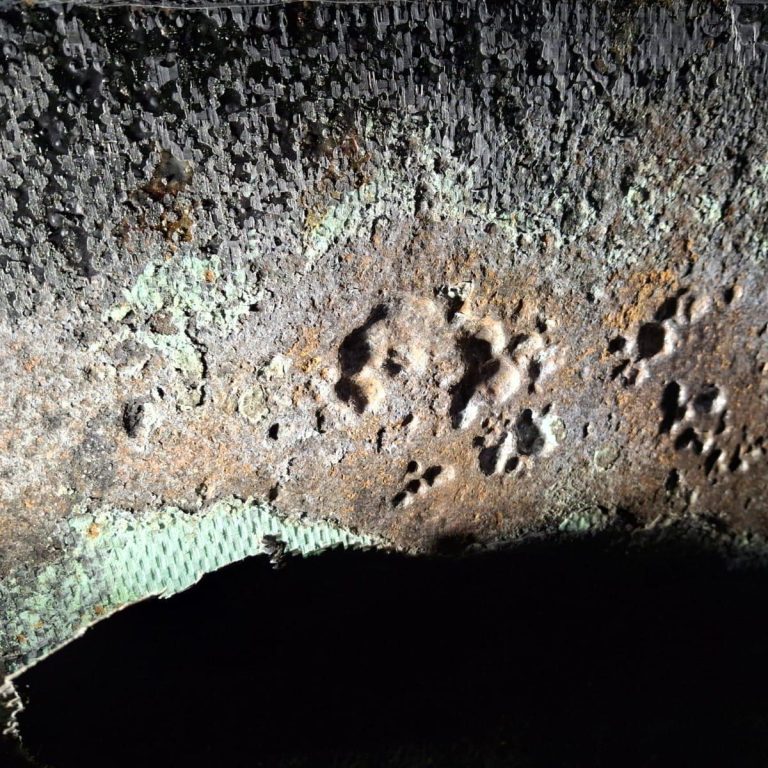
Pitting
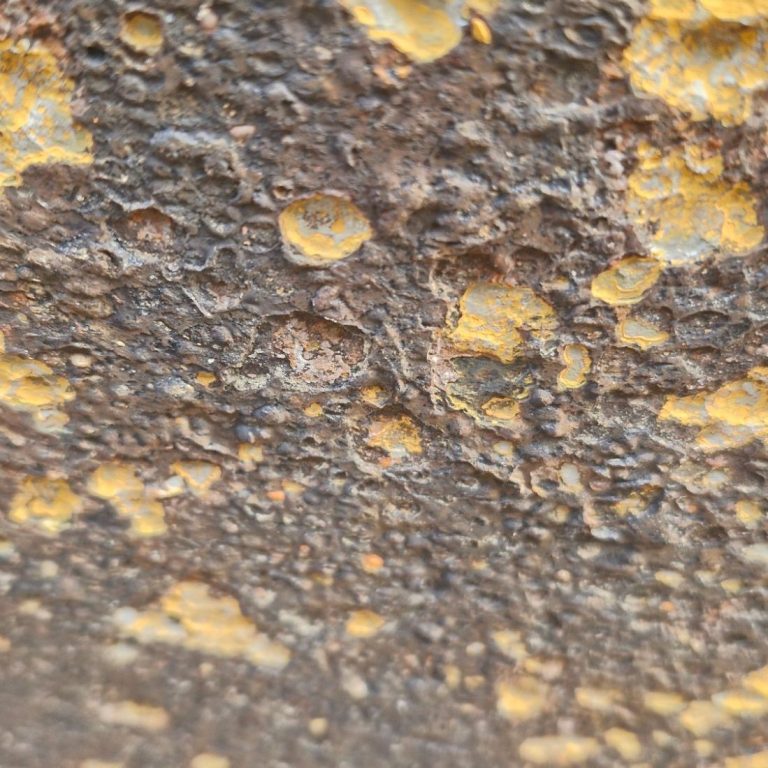
Galvanic Pitting
Base Plate Corrosion