Anodes: Why they matter (and why yours might be disappearing).
If you own a narrowboat, you have probably heard someone mention anodes at some point. Perhaps during a survey, at a boatyard, or in conversation with a fellow boater on the towpath. But do you really know what they do and why they are so important?
We understand that the world of hull maintenance can feel a bit overwhelming. There is a lot of technical jargon floating around, and it is easy to feel lost. The good news is that anodes are not complicated once you understand the basics. And understanding them could save you thousands of pounds in hull repairs.
Let us break it down in plain English.
What exactly is a sacrificial anode?
Think of anodes as your hull's underwater bodyguards. Their entire purpose is to corrode so that your steel hull does not have to.
Here is the science in simple terms. When different metals sit together in water, they create a small electrical current. This is called galvanic corrosion, and it causes the more "reactive" metal to corrode faster. Your steel hull, your propeller, your stern gear: they are all at risk.
Sacrificial anodes are made from metals that are more reactive than steel. When you attach them to your hull, they essentially volunteer to take the hit. The corrosion attacks them first, leaving your hull protected.
It is a bit like having a friend who always insists on paying for the first round. Except in this case, your anode is paying with its own existence.
The different types of anodes
Not all anodes are created equal. The type you need depends entirely on where your boat spends most of its time.
Magnesium anodes
These are the ones you will see most often on inland waterways. Magnesium is highly reactive, which makes it perfect for the low-conductivity environment of fresh water. Canals, rivers, and lakes all fall into this category.
If your narrowboat lives on the cut, magnesium anodes are almost certainly what you need.
Zinc anodes
Zinc anodes are designed for saltwater environments. They work brilliantly in the sea, where the water is highly conductive. However, they are not ideal for freshwater use. In canals and rivers, zinc anodes can develop a hard oxide layer that stops them from doing their job properly.
We occasionally see narrowboats fitted with zinc anodes, often because the previous owner picked them up cheaply or did not know the difference. It is an easy mistake to make, but one worth correcting.
Aluminium anodes
Aluminium anodes sit somewhere in the middle. They work in both fresh and saltwater, making them a versatile choice for boats that move between environments. Some boaters prefer them for their longer lifespan, though they tend to cost a bit more upfront.
Why your anodes might be disappearing faster than expected
Have you ever hauled out your boat and noticed that your anodes have practically vanished? You are not alone. This is one of the most common concerns we hear from narrowboat owners.
There are several reasons why anodes might wear down quicker than they should.
Shore power without a galvanic isolator
This is the big one. When you plug into shore power at a marina, your boat becomes part of a much larger electrical circuit. Other boats, pontoons, and even the marina infrastructure can all contribute stray electrical currents.
Without a galvanic isolator fitted, these currents can accelerate the corrosion process dramatically. We have seen anodes that should last two years disappear in a matter of months because of this issue.
If you spend a lot of time hooked up to shore power, a galvanic isolator is not a luxury. It is essential protection.
Poorly bonded anodes
An anode can only protect your hull if it is properly connected to it. This might sound obvious, but we regularly find anodes that have been bolted on without proper electrical contact.
Paint, rust, or poor installation can all create a barrier between the anode and the hull. When this happens, the anode cannot do its job. It might look fine from the outside, but it is essentially just a lump of metal doing nothing useful.
The wrong type for your water
As we mentioned earlier, using zinc anodes in fresh water can cause problems. The anode develops a coating that insulates it from the water, rendering it ineffective. Meanwhile, your hull is left unprotected.
Always check that your anodes match your cruising environment.
Too few anodes for your hull size
Larger boats need more anodes. It sounds simple, but we sometimes see 60-foot narrowboats with the same number of anodes as a 40-footer. The protection simply is not adequate for the surface area involved.
When should you replace your anodes?
The general rule of thumb is to replace your anodes when they have worn down to around 50% of their original size. Beyond this point, their effectiveness starts to drop off significantly.
We recommend checking your anodes at least once a year, ideally when your boat is out of the water for blacking or other hull maintenance. If you notice they are wearing down faster than expected, it is worth investigating the cause rather than simply fitting new ones and hoping for the best.
Some boaters try to stretch their anodes as far as possible to save money. We understand the temptation, but it is a false economy. A new set of anodes costs far less than welding repairs to a corroded hull.
How we check anodes during a survey
When we carry out a hull survey, anodes are always on our checklist. Here is what we look for:
Visual inspection
First, we assess the physical condition of each anode. How much material remains? Is the wear even, or are there signs of unusual corrosion patterns? Heavy pitting or uneven wear can indicate underlying issues.
Bonding check
We verify that each anode is properly bonded to the hull. This means checking for good electrical contact and ensuring there are no barriers like paint or corrosion preventing the connection.
Quantity and placement
We also consider whether the number of anodes is appropriate for the boat's size and whether they are positioned correctly. Anodes need to be spread along the hull to provide even protection.
Signs of accelerated wear
If the anodes show signs of rapid depletion, we will flag this in our report. It often points to an electrical issue, such as missing galvanic isolation or a fault in the boat's wiring.
A small investment for big protection
Anodes are one of the most cost-effective forms of hull protection available. They are relatively inexpensive, easy to replace, and they work tirelessly beneath the waterline to keep your boat safe.
The key is to treat them as a regular maintenance item rather than an afterthought. Check them annually, replace them at 50% depletion, and make sure they are the right type for your water.
If you are unsure about the condition of your anodes or whether they are doing their job properly, we are always happy to help. A professional survey can give you peace of mind and catch any issues before they become expensive problems.
Your anodes are working hard for you. Make sure you are looking after them in return.

Worn Side plate anode
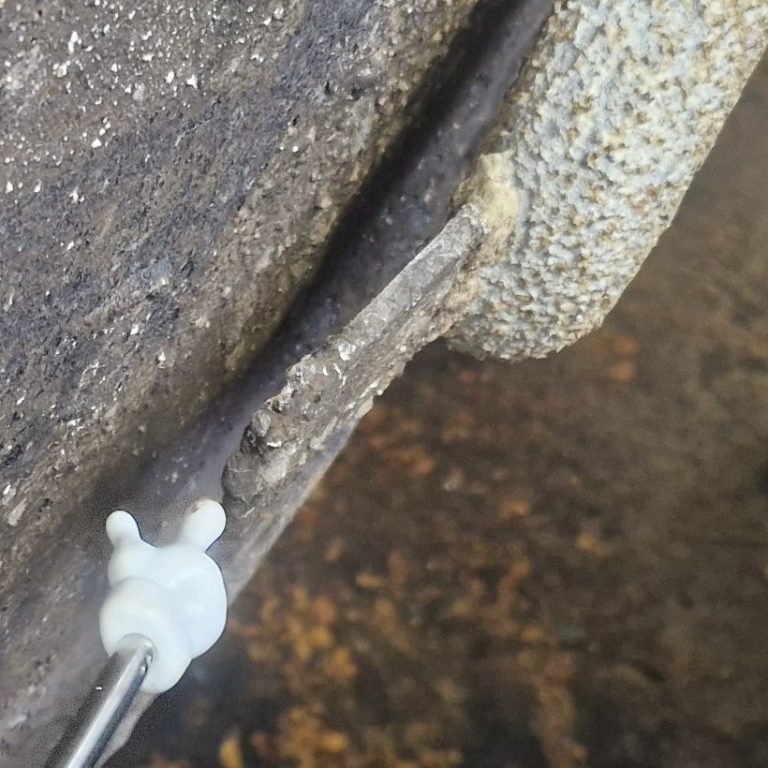
Poorly fitted unattached anode
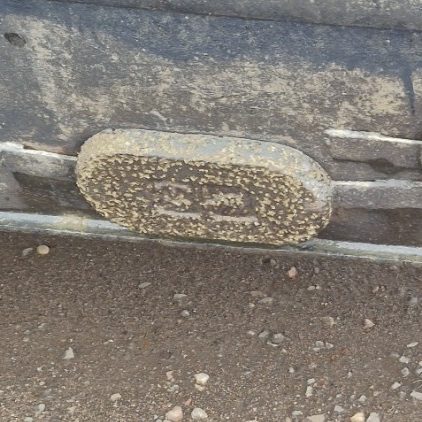
Healthy Anode
